Founder & CEO of Atlas Mobility. Inventor & Creator of Poki Yoki. Building the thesis behind Accelerate Robotics.
From firefighter/paramedic to founding a company that's transformed patient safety in 60+ hospitals nationwide. Now building the case for an operating system that orchestrates hospital robotics.
My work ethic came from two very different parents. My mom worked at , SETI, and — her job was planetary protection for Mars missions, making sure we didn't contaminate other worlds. She taught me precision, responsibility, and never cutting corners when the stakes are high.
My dad was a serial entrepreneur and CEO who turned around major consumer brands — PlayStation at Sony, Reebok Pump Shoes, and Worlds of Wonder Teddy Ruxpin. He showed me what it means to take calculated risks and see challenges as opportunities.
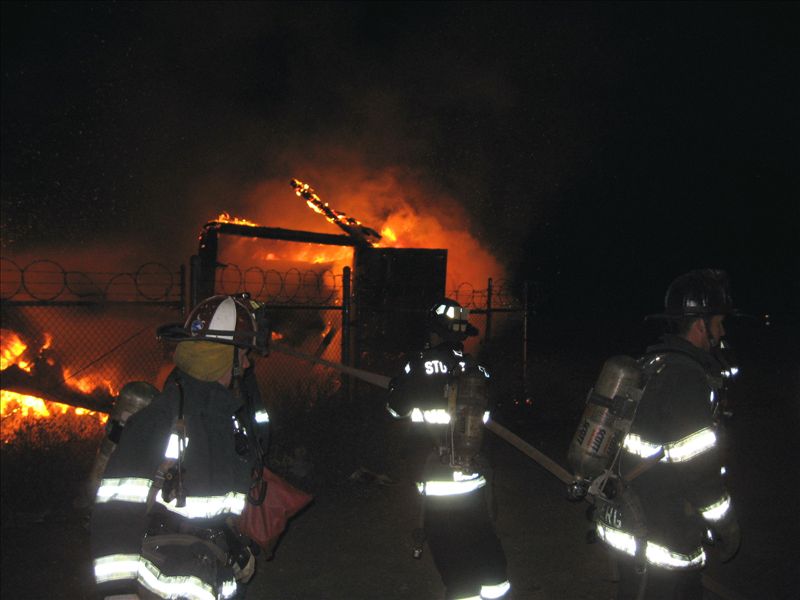
I started as a firefighter and paramedic at Stockton Fire Dept — one of the busiest in the nation. That culture of unwavering commitment became ingrained: when the 911 call comes, you answer it, no matter what.
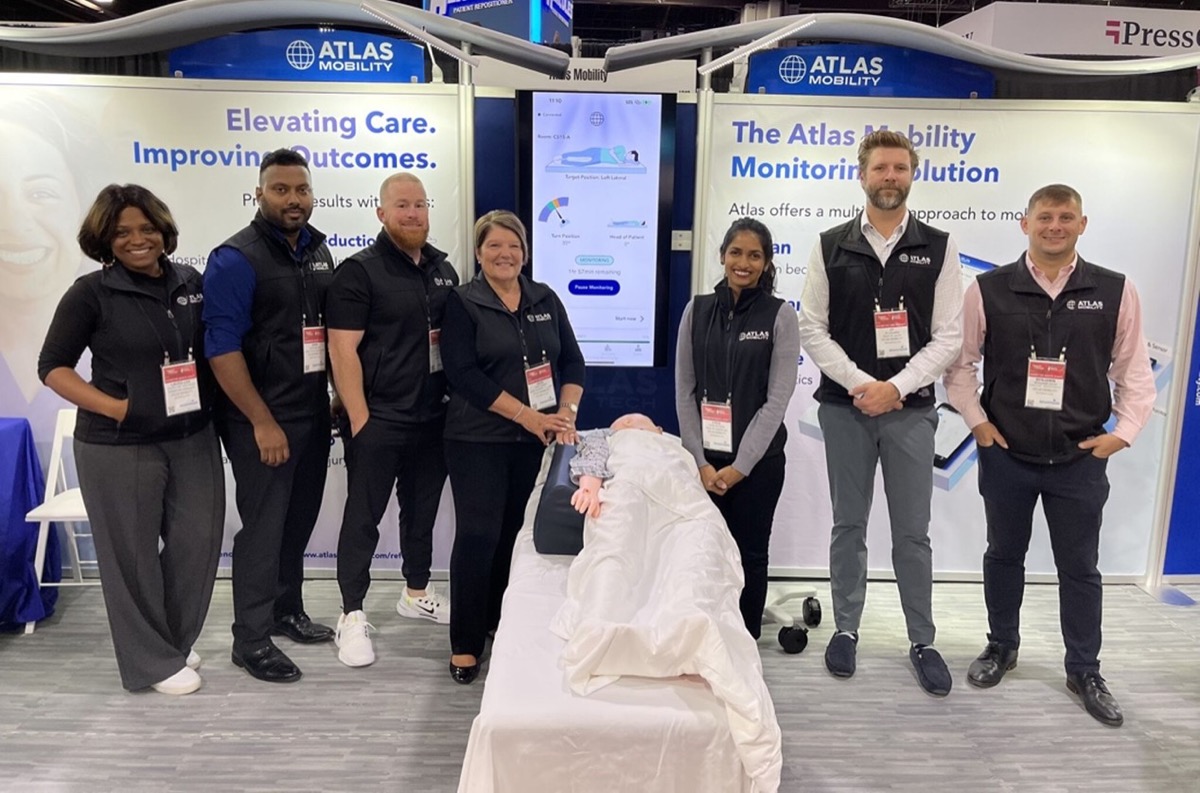
I saw firsthand how hospitals struggle with patient safety and worker injuries. I founded Atlas Mobility in 2009 and grew it into a safe patient handling company now in 60+ facilities nationwide with a 77% reduction in pressure injuries. That's when it hit me: hospitals track every vital sign except one — patient mobility.
10 videos · Stockton Fire Dept · 400+ structure fires/year
Always asking "why" one more time. Took apart radios and engines as a kid. As a paramedic, learned how the body responds under stress. In business, dove into where hospital systems break down.
Willingness to persist long after the excitement wears off. Healthcare is regulatory hurdles, slow-moving systems, and pushing a boulder uphill. That separates talk from action.
Built Atlas around a mission with a moral center: enhancing patient safety while preventing caregiver injury. When your work makes people safer, purpose becomes fuel.
Miami is home. Beyond building companies, I'm invested in the community here and always looking to connect with interesting people — whether it's over business, a padel match, or a day on the water.
Membership
YPO Global
Member
Chapter
YPO Miami
Member Engagement Officer
Social Club
The Moore Club
Miami
Social Club
Soho Beach House
Miami Beach
How I Spend My Time Off
Always down to connect — reach out if you're in Miami and want to grab coffee or hit the court.
Being a firefighter means you can't give up when things get hard. When that 911 call comes through, people are depending on you in their most desperate moment. You don't get to decide if you're ready or if the timing is convenient. You answer the call, no matter what. That culture of unwavering commitment has stayed with me for life.
A world where caregivers never have to choose between helping a patient and protecting themselves. Mobility is medicine — it restores dignity to patients by ensuring their recovery isn't passive but participatory, and it protects caregivers by aligning safe movement with smart, data-supported practices.
The areas I invest my time, energy, and attention — deliberately and consistently.
Built on Purpose
Deliberate • Consistent • Intentional
1% better every day. That's the approach to everything — health, business, relationships, craft. Small, consistent improvements compound into extraordinary results.
It's not about massive leaps. It's about showing up daily and stacking marginal gains across every pillar of life. The math is stunning: improve just 1% each day, and by year's end you're 37.78x better. But the reverse is equally true — slip 1% daily and you'll shrink to near-zero.
This concept, popularized by James Clear in Atomic Habits, was proven in the real world by Sir Dave Brailsford and British Cycling — who won 178 world championships and 66 Olympic golds by obsessing over hundreds of tiny 1% improvements, from pillow quality to hand-washing technique.
“The difference between 1% better and 1% worse is the difference between 37.78x growth and near-zero. The direction of your daily choices matters more than their size.”
1% worse every day for one year: 0.99365 = 0.03
1% better every day for one year: 1.01365 = 37.78
The effects of small habits compound over time.
I'm wired to build — products, companies, teams. The problems I chase are the ones most people walk past: messy, high-stakes, and deeply human. If the work doesn't make someone's life safer or better, I'm not interested.
60,000 deaths/year from pressure injuries. 95% preventable. Atlas exists because this problem is solvable but nobody was solving it.
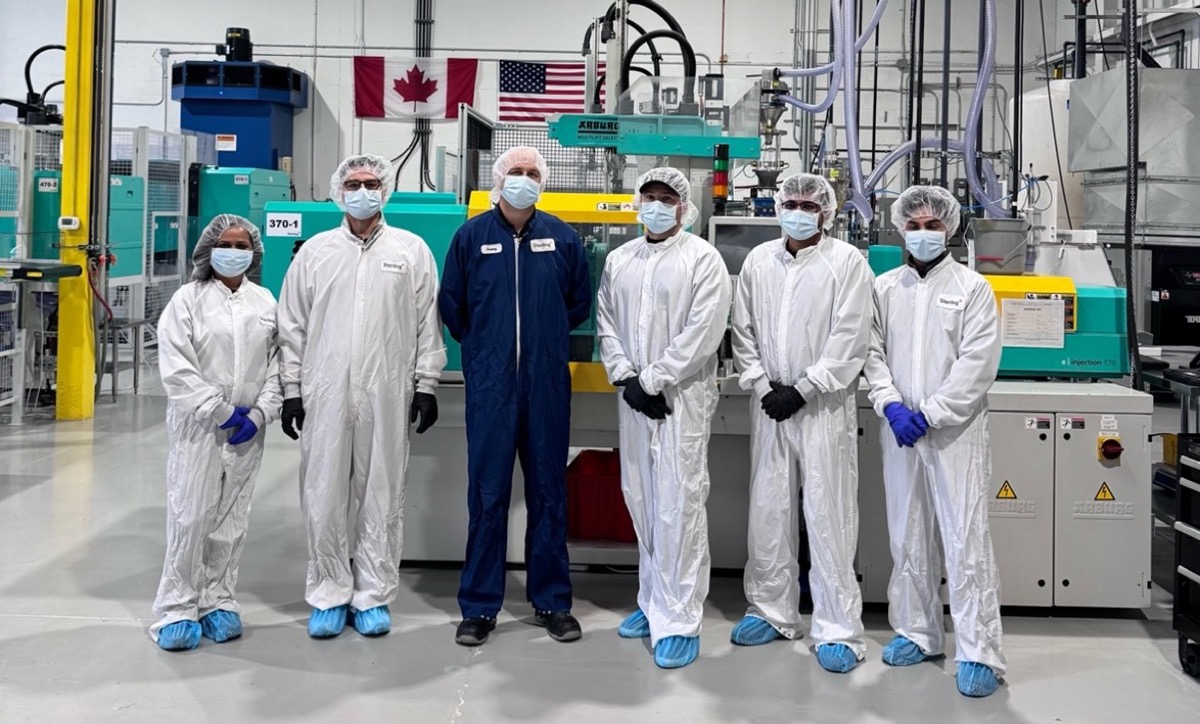
ExploreBuilding physical products at scale — from FDA-cleared medical devices to consumer food operations. Hardware is hard.
ExploreOne brain, many bots. An air-traffic-control system that coordinates every robot in a facility from a single platform.
ExploreCEO & Founder • Since 2009
60,000 Americans die from pressure injuries every year. 95% are preventable. We put a team in the building to make sure they don't happen.
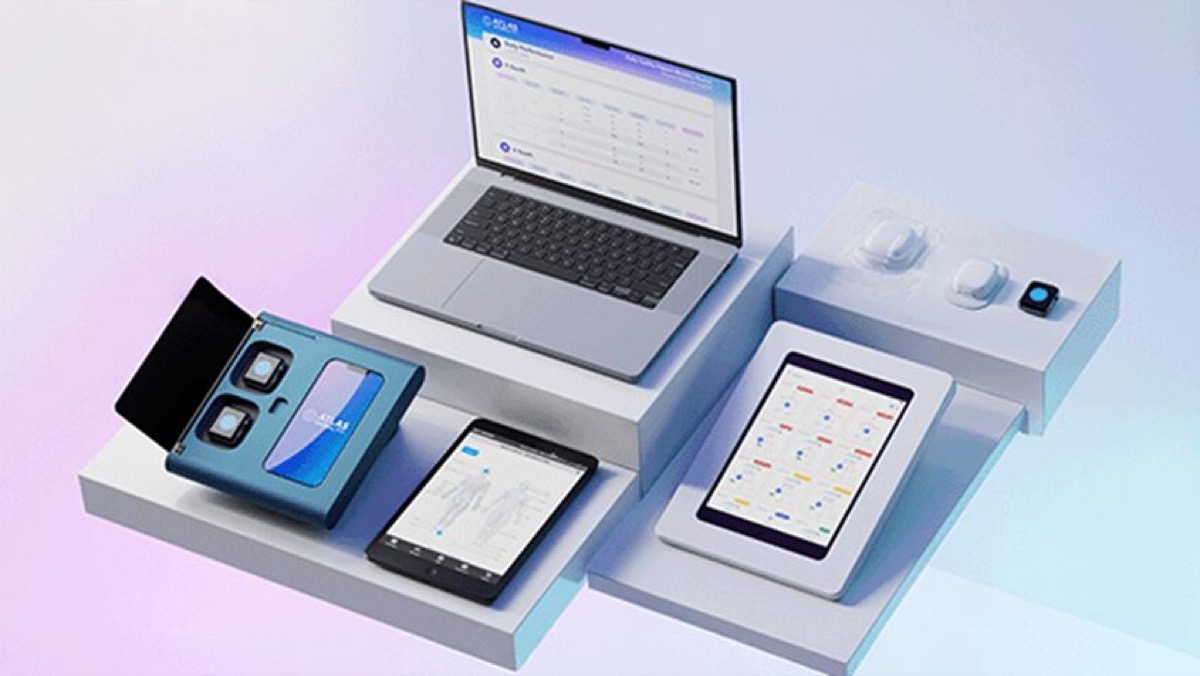
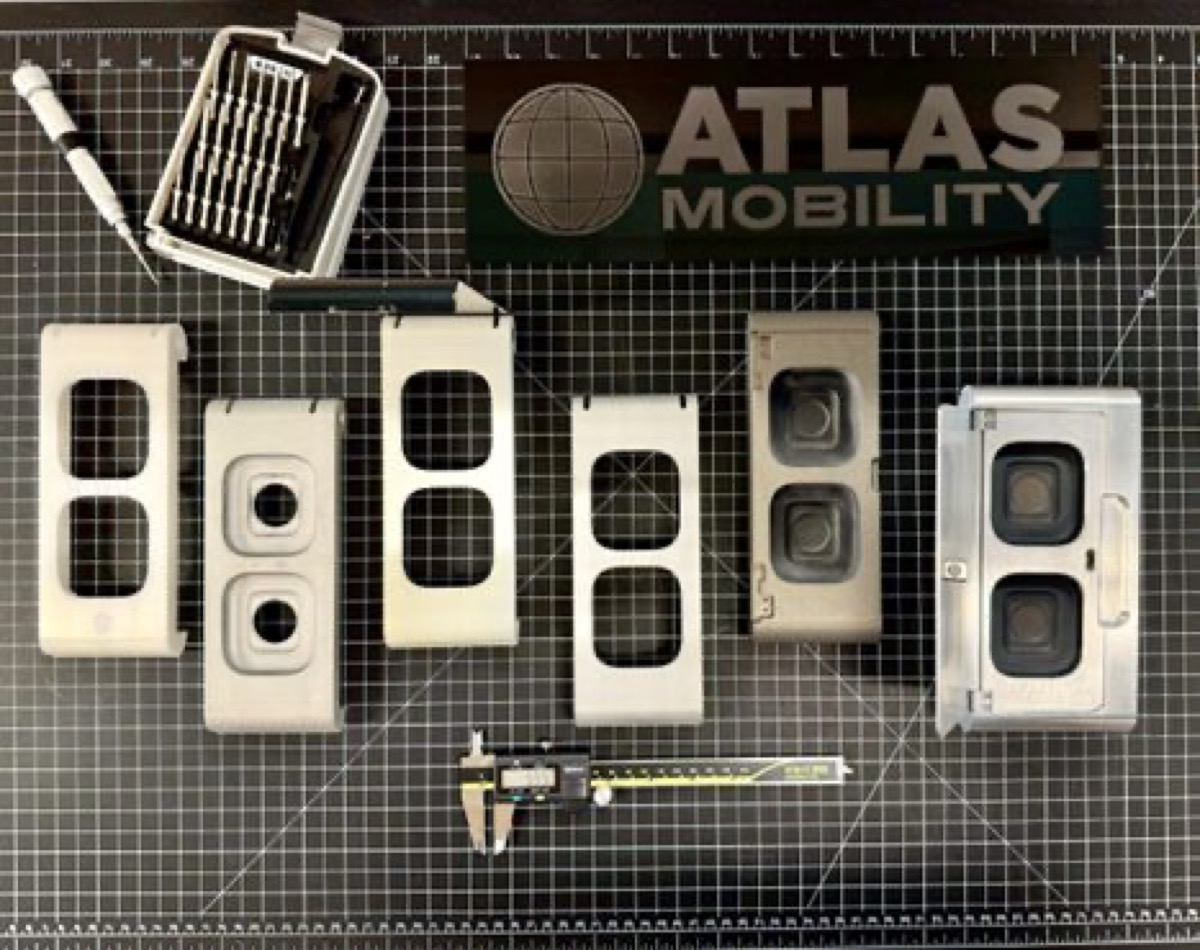
Atlas Mobility is a Total Mobility Solution — trained mobility technicians embedded within care teams, FDA-cleared hardware for real-time patient monitoring, and software dashboards that track every turn, every lift, every movement. We operate 24/7 inside 45+ hospital systems nationwide.
Across a 32-hospital system over 7 years, Atlas reduced lost workdays by 94% (14,912 → 874), cut annual substitution costs by $12.7 million ($13.5M → $810K), and dropped patient handling claims by 44%. In one facility, HAPI incidence fell 61% in two years.
We don't sell equipment and leave. We embed our people inside yours. With CMS expanding mandatory eCQM reporting on pressure injuries and 13 states now with SPH legislation, the regulatory landscape is tightening. Hospitals need a partner, not a product. That's Atlas.
Behind-the-scenes drone tour
Free tools to understand your hospital's mobility program ROI
20+ features · Scroll to explore
The Cup That Grows With Your Child
Parents buy an average of 12 sippy cups before their kid turns 5. We built the only one they'll ever need.
A modular children's drinkware system with magnetic, interchangeable components. Spill-proof, dishwasher-safe, BPA-free, and impossible to assemble wrong. One cup adapts from infancy through childhood — no more drawer full of mismatched lids and broken straws.
Named a Kickstarter "Project We Love". Featured in parenting blogs. Loved by parents who are tired of buying the same cup over and over.
"I can't wait for this cup... I need this now!! My toddler destroys every cup we buy. This magnetic system is genius."
"Finally.. a cup built to last! We've gone through so many sippy cups. The interchangeable parts mean this one actually grows with my daughter."
"Mold resistant, easy to clean, and built with parents in mind. The magnetic modular design means no more losing lids or fighting with parts."
Reviews & features · Scroll to explore
One Brain. Many Bots.
Hospitals, hotels, and senior care facilities are losing workers faster than they can hire them. Robots are arriving faster than anyone can manage them. Someone has to build the operating system.
This wave isn't coming — it's here. Facilities everywhere are hitting the same wall: chronic workforce shortages, rising wages, growing union pressure, and margins that keep shrinking. Hospitals run on ~1% margins with 60% of spend going to labor. Hotels face 80%+ housekeeping turnover. Nursing homes — 99% report staffing shortages. The math no longer works, and no amount of hiring solves a problem this structural. Robots aren't a nice-to-have anymore. They're the only path forward.
And adoption is accelerating fast. Delivery bots, cleaning bots, disinfection bots — they're already inside hospitals, hotels, and care facilities today. But when 5 vendors send 30 bots into one building, each running its own software, you don't get efficiency. You get chaos. Who orchestrates the fleet? That's the gap. Nobody owns the coordination layer yet.
Accelerate Robotics is building the operating system for facility robots — one brain that coordinates every bot in the building, across every vendor, in any vertical. Not replacing people. Extending what each person can do. The workforce crisis makes this inevitable. We're just making sure it happens intelligently.
The Next Decade
Over the next 3, 5, and 10 years, robots will deploy across every facility vertical. Someone has to orchestrate that rollout. That's our opportunity.
Delivery bots, UV disinfection, floor scrubbers — robots already deployed in hospitals, hotels, and care facilities
IoT and wearable data integration — patient safety, guest experience, resident wellness
Autonomous transport — bed movers, room service, wheelchair and resident mobility
When humanoid robots arrive in facilities, they'll need an orchestration layer too
13 videos · Scroll to explore
Talking to operators, robotics founders, and investors who see the same gap.
Let's ConnectWhat I'm sharing on LinkedIn — insights on healthcare, robotics, leadership, and building companies.
I post regularly about patient safety, robotics, building culture at scale, and lessons from the trenches of entrepreneurship.
Whether it's about robotics, hospital safety, investing, or just grabbing a coffee in Miami.